Why Liability Insurance is Necessary for Athletic Trainers
Athletic trainers need professional liability insurance (aka: PLI) because they provide a range of acute and chronic emergency care that leave them vulnerable to potential liability issues. Like being sued for medical negligence by an unhappy patient.
So, it’s important for athletic trainers to understand those legal liabilities, the terms, the language and how to protect themselves.
—
The 4 Ds of Medical Negligence
The four Ds of medical malpractice are:
DUTY: When an athletic trainer agrees to treat or provide medical services to an athlete who they or their legal guardian asks for treatment, that athletic trainer has a duty to provide care to that athlete.
DEVIATION: The patient must demonstrate that the athletic trainer didn’t follow—deviated—from accepted industry standards and best practices.
DIRECT CAUSE: If the plaintiff has proven both DUTY and DERELICTION, they must then show that the athletic trainer’s deviation directly caused the injuries and not some other intervening event.
DAMAGES: The patient must also prove they have suffered actual harm—physically, mentally or both—through medical records, prescriptions and/or testimony
—
TORTS!
What is a Tort?
A tort is a legal wrong which one person or entity (the tortfeasor) commits against another person or entity and for which the usual remedy is an award of damages.
Here are the most common ‘legal wrongs’ an athletic trainer might face:
Nonfeasance
Nonfeasance is an act of omission. That means you had a duty to perform and didn’t do so. It’s incredibly common in concussion cases, especially where a patient mentioned a concussion symptom and the athletic trainer or healthcare provider failed to test diagnostically.
Misfeasance
Misfeasance means you performed a service you are legally allowed to provide, but you did it badly. For example, aggressively handling a c-spine injury in a way that causes injury.
Malfeasance
Malfeasance is an act of commission. The athletic trainer or healthcare provider tried to perform a procedure that they were not trained to perform resulting in injury. An example would be an athletic trainer performing a tracheotomy on the back of a moving golf cart.
These matters could be very subjective, or even claimed fraudulently. Innocent or guilty, lawyers are not cheap. This is why the Board of Certifications strongly recommends athletic trainers carry professional liability insurance to cover them against such claims.
—
Is PLI through my employer sufficient?
No! In this instance, employer provided professional liability insurance only covers you while providing services for your primary employer.
In fact, there may be gaps in coverage even then.
For example, if an AT works at a secondary school/university, the policy may be worded to specify who the AT will be providing care for (student athletes). This could create a gap in coverage if health care services are provided to a spectator, coach, official, etc. For any per diem/volunteer work outside of your primary place of employment, separate professional liability insurance is needed.
—
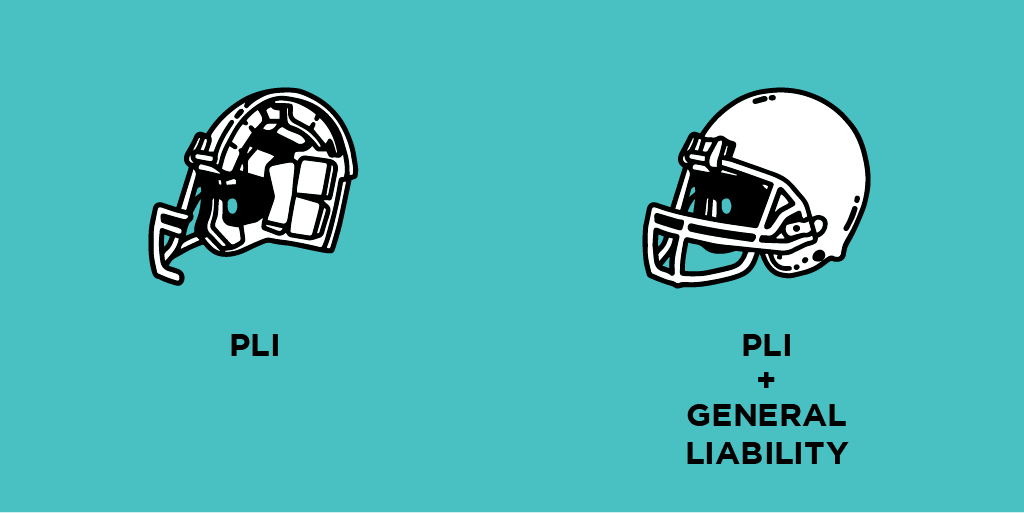
PLI + General Liability Insurance through the Go4 App
If you need professional liability insurance, you can get a PLI + General Liability insurance policy—for the prices of a PLI only policy—through the Go4 Insurance Agency on the Go4 App. To get a quote log on to the app, or get more info at: www.go4insurance.io
What is PLI?
Professional liability insurance protects athletic trainers from financial losses resulting from claims of negligence or failure to perform their professional duties.
What is General Liability?
General liability insurance is a broad type of insurance policy which provides liability insurance for general risks that athletic trainers may face; like running into a car in the parking lot with a golf cart.
Why Athletic Trainers Need Both PLI and General Liability
It’s recommended that athletic trainers have both professional liability insurance and general liability insurance because they provide different types of coverage for different types of risks. To get PLI and GL with other companies, you essentially have to buy ‘two’ policies.
—
About Go4
As an athletic trainer, per diem work could dramatically increase your yearly earnings. The Go4 platform connects licensed, certified athletic trainers with the jobs and shifts on their terms and schedule.
Are you an Athletic Trainer?
Join us!
From per diem shifts to full-time opportunities, AT resources, PLI, a free EMR and more, Go4 is the essential AT app. Sign up now!
"*" indicates required fields
Other articles you might like

What is the deal with Standing Orders?
How do I get standing orders as an athletic trainer? Q: What are standing orders? A: Standing orders, aka medical protocols, establish the scope of practice for an athletic trainer. Under the direction of a physician, they are an overview of the specific skills that the AT…
AT Spotlight: Thomas Obergefell, Athletic Training from the Dugout
Name: Thomas Obergefell, MS, ATC, LAT Nickname: T.J. Alma…
Middle School / High School / College / Any School EMR: The Importance of Documentation
Go4’s in-app Electronic Medical Record We all know the reasons why it’s important to thoroughly document, but incase you forgot, here they are:…