How Foam Rolling Works to Improve Mobility and Reduce Soreness
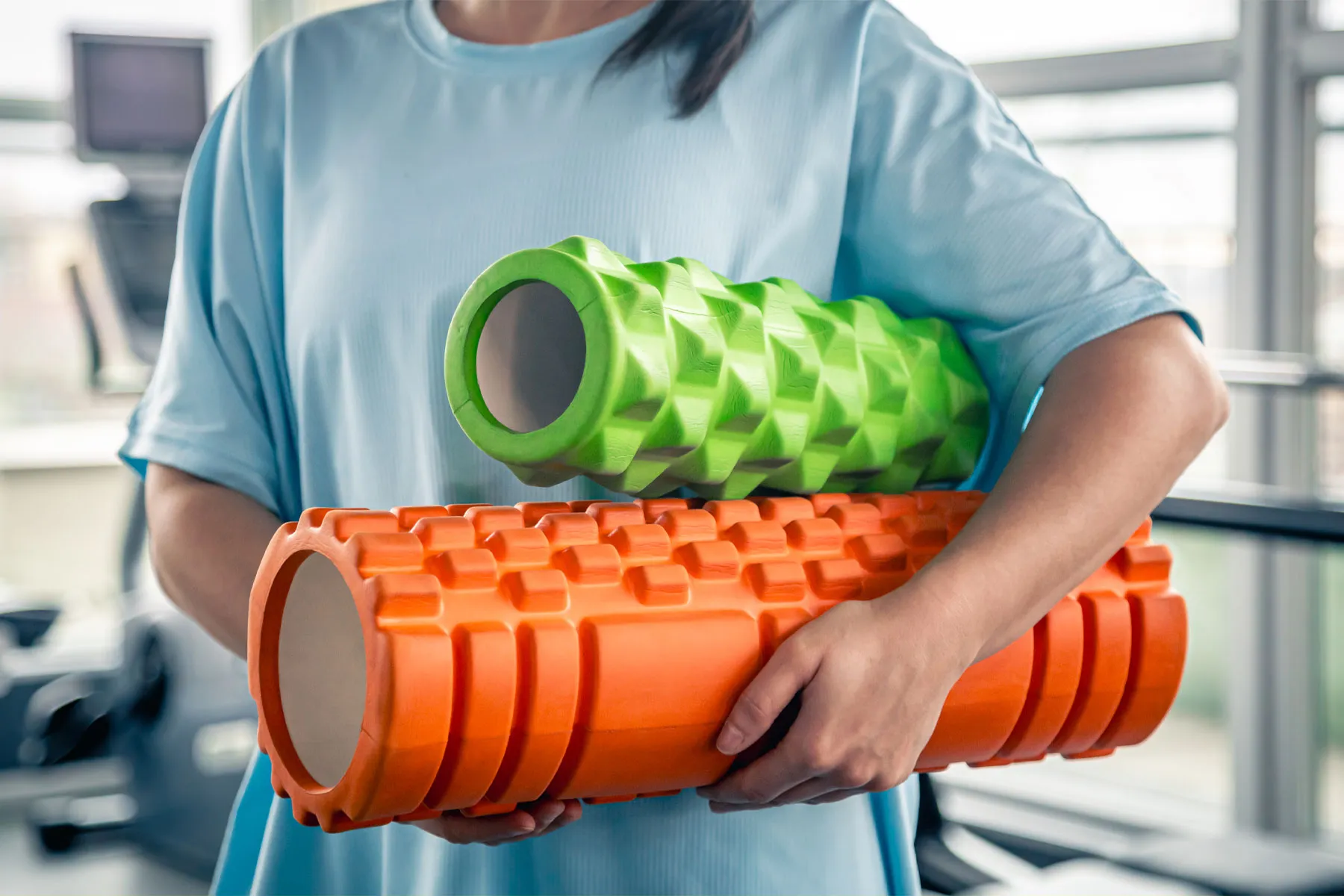
You’ve heard about it, and maybe even started experimenting–but how does foam rolling improve your mobility and reduce soreness?
Foam rolling, or self-myofascial release, works on a physiological level by targeting the connective tissues and muscles to improve mobility, reduce tension, and alleviate soreness.
1. Myofascial Release
The fascia is a layer of connective tissue that surrounds muscles, organs, and nerves. It can become tight around muscles due to overuse or injury.
Foam rolling applies pressure to these areas, helping to release tension in the fascia, improving its elasticity, and creating movement between layers of tissue.
2. Neuromuscular Modulation
Applying sustained pressure on a muscle can reduce tightness by triggering the autogenic inhibition reflex.
The autogenic inhibition reflex is a protective mechanism that causes a muscle to relax when it becomes too tense to help prevent muscles from tearing.
3. Increased Blood Flow
The pressure of foam rolling compresses blood vessels temporarily. When the pressure is released, there’s a surge of blood flow to the area, improving oxygen and nutrient delivery.
4. Gate Control Theory
The gate control theory is a theory that suggests non-painful sensations can reduce or block painful sensations. Pressure applied by a foam roller on a muscle can stimulate non-painful sensory signals, “closing the gate” to pain signals traveling to the brain, reducing perceived pain and muscle soreness.
Are you an Athletic Trainer?
Join us!
From per diem shifts to full-time opportunities, AT resources, PLI, a free EMR and more, Go4 is the essential AT app. Sign up now!
"*" indicates required fields
Other articles you might like

What is the deal with Standing Orders?
How do I get standing orders as an athletic trainer? Q: What are standing orders? A: Standing orders, aka medical protocols, establish the scope of practice for an athletic trainer. Under the direction of a physician, they are an overview of the specific skills that the AT…
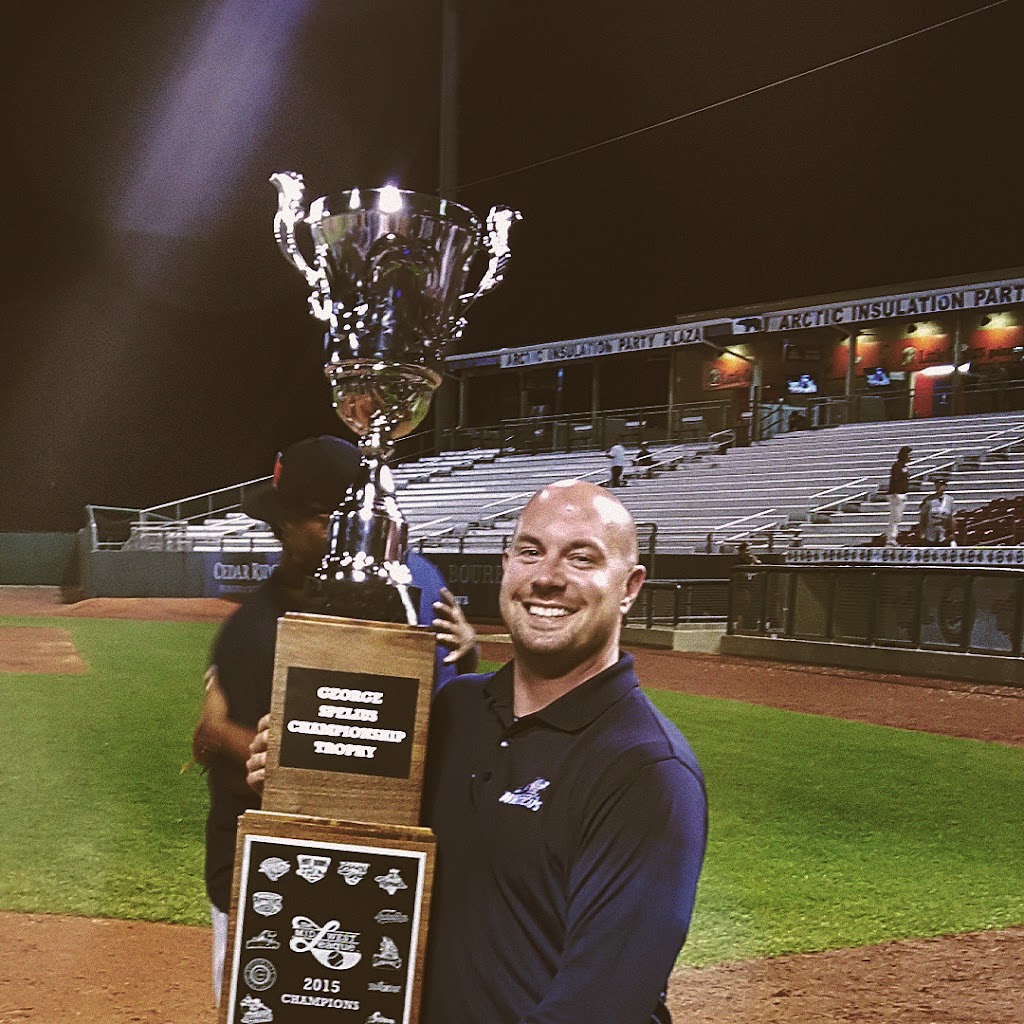
AT Spotlight: Thomas Obergefell, Athletic Training from the Dugout
Name: Thomas Obergefell, MS, ATC, LAT Nickname: T.J. Alma…
Middle School / High School / College / Any School EMR: The Importance of Documentation
Go4’s in-app Electronic Medical Record We all know the reasons why it’s important to thoroughly document, but incase you forgot, here they are:…